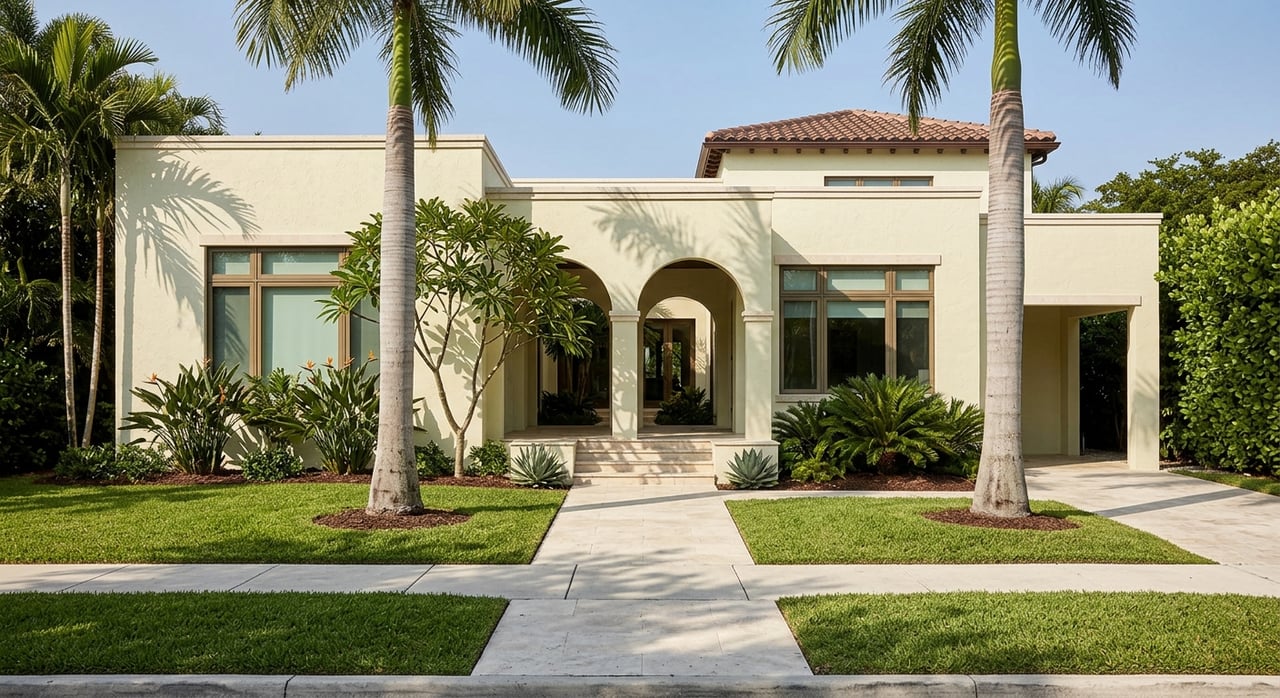
Thinking about moving to Key Biscayne from abroad? You are not alone, and that matters. This small island community is already home to a highly international population, which can make the relocation process feel more familiar and more manageable. In this guide, you will get a practical look at housing, daily life, transportation, schools, recreation, and the realities of buying in one of Miami-Dade’s most distinctive coastal markets. Let’s dive in.
Why Key Biscayne Appeals to International Buyers
Key Biscayne offers a very specific lifestyle. It is a compact barrier-island village in Miami-Dade County with about 15,111 residents and just 1.25 square miles of land. That smaller footprint gives the area a contained, village-like feel rather than a sprawling suburban one.
For international buyers, the community profile stands out. Census data shows that 58.1% of residents were foreign-born, and 80.4% of residents age 5 and older spoke a language other than English at home. If you are relocating from Latin America, Europe, or another part of the world, that multilingual environment may feel like a natural fit.
This is also a high-value market. The median household income was $181,505, the owner-occupied housing rate was 66.6%, and the median owner-occupied home value was $1,575,300. In simple terms, Key Biscayne is best understood as a premium coastal community with an established ownership base.
What Island Living Feels Like
Key Biscayne sits about six miles into Biscayne Bay and connects to the mainland through the Rickenbacker Causeway. That geography shapes daily life in ways that are important to understand before you buy. You get a more contained environment, but you also rely on one main road to get on and off the island.
The village is organized around Crandon Boulevard. According to village documents, shopping centers and single-purpose commercial buildings line this main corridor, which means many errands, dining options, and local services are concentrated in a fairly narrow area. For many buyers, that adds convenience and gives the island a more navigable rhythm.
At the same time, weekend and holiday traffic can be a real factor. Bill Baggs Cape Florida State Park draws more than a million visitors a year, which helps explain why certain days can feel busier on the causeway and around island access points. If you expect frequent trips to the mainland, traffic patterns should be part of your home search strategy.
Key Biscayne Housing Options
Condos, Townhomes, and Single-Family Homes
Key Biscayne has a mixed housing stock, but it is not evenly distributed. Village documents note that the west side of Crandon Boulevard is mainly single-family homes, while the east side includes mid- to high-rise multiple-family buildings, townhomes, and additional single-family areas.
That layout gives buyers a clear range of choices. If you want lower-maintenance living, a condo or townhome may be the more practical fit. If you want more privacy, outdoor space, and a traditional house layout, a single-family home may align better with your goals.
A village master plan also describes single-family residential as the largest land-use category in the existing land-use inventory. That helps explain why the island can feel more residential and less dense than parts of greater Miami, even with multifamily buildings in key areas.
What the Price Point Means
The market here is not entry-level. With a median owner-occupied home value above $1.5 million, buyers should approach Key Biscayne with clear expectations about budget, property type, and ongoing ownership costs.
Census figures also show median monthly owner costs with a mortgage above $4,000 and median gross rent above $3,500. While those are broad market indicators rather than a quote for any one property, they reinforce the point that housing costs on the island are significant.
For international buyers, this makes preparation especially important. Before making an offer, it helps to define whether your priority is a primary residence, a seasonal home, or a lower-maintenance property that supports a lock-and-leave lifestyle.
Daily Logistics Before You Buy
Getting To and From the Mainland
One of the most important practical details is access. The village notes that Key Biscayne has one ingress and egress road, which means movement on and off the island is simple in layout but limited in routing.
For some buyers, that is part of the appeal. The island can feel tucked away from the pace of the mainland. For others, especially those commuting often to Brickell, Downtown Miami, or Miami International Airport, it is essential to think through drive times and daily routines.
Public transit is available, but it is focused rather than extensive. Miami-Dade Transit Route 26 runs seven days a week from Brickell Metrorail and Metromover Station to Key Biscayne through the Rickenbacker Causeway and Crandon Boulevard. That gives you a workable public option, though many buyers still prefer the flexibility of a car.
Running Errands and Accessing Services
Local government services are a visible part of life on Key Biscayne. Village budget documents show the village provides police protection, fire and emergency medical service, public works maintenance, building, planning, zoning, code compliance, recreation, solid waste collection, and stormwater management.
Miami-Dade County provides the public school system, library system, potable water, and sewer infrastructure. For relocation buyers, this is useful because it shows a split between village-level services and county-level systems.
In practical terms, daily needs are supported locally, but the setting remains compact. That is one reason Key Biscayne often appeals to buyers looking for a more self-contained coastal environment without giving up access to the broader Miami area.
Schools and Family Considerations
For families with younger children, one public-school reference point on the island is Key Biscayne K-8 Center. According to NCES, it is an open regular public school serving grades PK through 8, with 884 students and an 18.04 to 1 student-teacher ratio for the 2024 to 2025 school year.
That information is useful as a starting point if school access is part of your move. Families relocating from abroad often benefit from confirming enrollment procedures, documentation requirements, and any timing considerations with the appropriate local authorities before making final moving plans.
Even beyond school planning, the island’s compact setting may appeal to buyers who want recreation, services, and residential areas in close proximity. That can simplify daily routines, especially during the first year of a cross-border move.
Recreation and Lifestyle on the Island
Lifestyle is a major reason buyers focus on Key Biscayne in the first place. Crandon Park offers a two-mile beach along with golf, tennis, a nature center, Bear Cut Preserve, a marina, picnic areas, and other amenities. That gives residents access to outdoor activities that feel built into everyday life.
Bill Baggs Cape Florida State Park adds another layer to the island experience. The park includes the historic 1825 Cape Florida Lighthouse, bicycling, paddling, swimming, picnic pavilions, nature trails, a canoe and kayak launch, and food-service facilities.
If you are relocating for climate, scenery, and outdoor living, these public spaces are not just occasional attractions. They are part of what defines the Key Biscayne lifestyle. For many international buyers, that blend of coastal setting and organized amenities is central to the decision.
Important Tradeoffs to Understand
Privacy and Convenience
Key Biscayne can offer a calmer residential atmosphere than more urban parts of Miami, but that comes with tradeoffs. Because the island is compact and road access is limited, convenience depends on how you personally balance privacy, routine, and mobility.
Some buyers love the sense of separation from the mainland. Others find that they want faster or more varied access points after living there for a period of time. A relocation plan should account for your actual weekly pattern, not just your ideal one.
Coastal Conditions and Planning
The Village of Key Biscayne identifies sea-level rise, flooding, coastal erosion, and more severe storms as real planning concerns. That does not mean island living is off the table. It means buyers should approach the purchase with informed expectations and the right professional guidance.
For international buyers, this is especially important because cross-border moves often involve multiple decisions at once. As you evaluate homes, it is wise to separately consult the appropriate insurance, legal, tax, and immigration professionals so you fully understand the practical side of ownership.
A Smarter Way to Approach Your Move
The best relocation decisions usually come from matching lifestyle goals to the realities of the market. In Key Biscayne, that means understanding the housing mix, the cost structure, the transportation setup, and the daily rhythm of island life before you commit.
It also means narrowing your priorities early. You may want a condo with easier upkeep, a townhome with a balance of space and convenience, or a single-family home with more privacy and outdoor room. Each path can work well, but the right fit depends on how you plan to live, travel, and use the property.
For international buyers, local guidance can save time and reduce friction. A team that understands multilingual communication, relocation timelines, and the nuances of South Florida luxury housing can help you focus on options that align with your goals from the start.
If you are considering a move to Key Biscayne and want polished, market-savvy guidance tailored to your lifestyle, connect with The Paiz Group for personalized support.
FAQs
What makes Key Biscayne attractive for international buyers?
- Key Biscayne has a highly international population, with 58.1% foreign-born residents and 80.4% of residents age 5 and older speaking a language other than English at home, which can make relocation feel more familiar.
What types of homes are available in Key Biscayne?
- Key Biscayne offers single-family homes, townhomes, and mid- to high-rise multifamily residences, with more single-family homes on the west side of Crandon Boulevard and more multifamily options on the east side.
How do you get from Key Biscayne to Miami?
- The island connects to the mainland by the Rickenbacker Causeway, and Miami-Dade Transit Route 26 runs seven days a week between Brickell Metrorail and Metromover Station and Key Biscayne.
What should families know about schools in Key Biscayne?
- A key on-island public-school option is Key Biscayne K-8 Center, which serves PK through 8 and reported 884 students in the 2024 to 2025 school year.
What should buyers know about Key Biscayne’s coastal setting?
- Village planning documents note exposure to sea-level rise, flooding, coastal erosion, and more severe storms, so buyers should review those practical considerations with the appropriate professionals during the purchase process.