Thinking about trading Fort Lauderdale’s coastal energy for Weston’s more planned suburban rhythm? It is a common move in Broward County, but it is not a simple apples-to-apples comparison. If you are weighing space, commute, housing style, and everyday lifestyle, this guide will help you see where Weston may fit your next chapter and where Fort Lauderdale may still be the better match. Let’s dive in.
Weston vs Fort Lauderdale at a Glance
A move from Fort Lauderdale to Weston usually means choosing a different kind of daily experience, not just a different address. Weston is a master-planned city in southwest Broward County, while Fort Lauderdale is larger, denser, and more urban in feel.
The numbers help show that difference. Weston has 70,674 residents and a population density of 2,875.3 people per square mile, while Fort Lauderdale has 190,640 residents and a density of 5,512.8 people per square mile. Weston also has a larger median household size at 3.3 compared with 2.4 in Fort Lauderdale.
Weston is also more ownership-heavy. The owner-occupied housing rate is 72.7% in Weston versus 53.8% in Fort Lauderdale, which points to a market shaped more by long-term residential living than by renter turnover.
Housing in Weston Feels Different
Weston has a more suburban housing mix
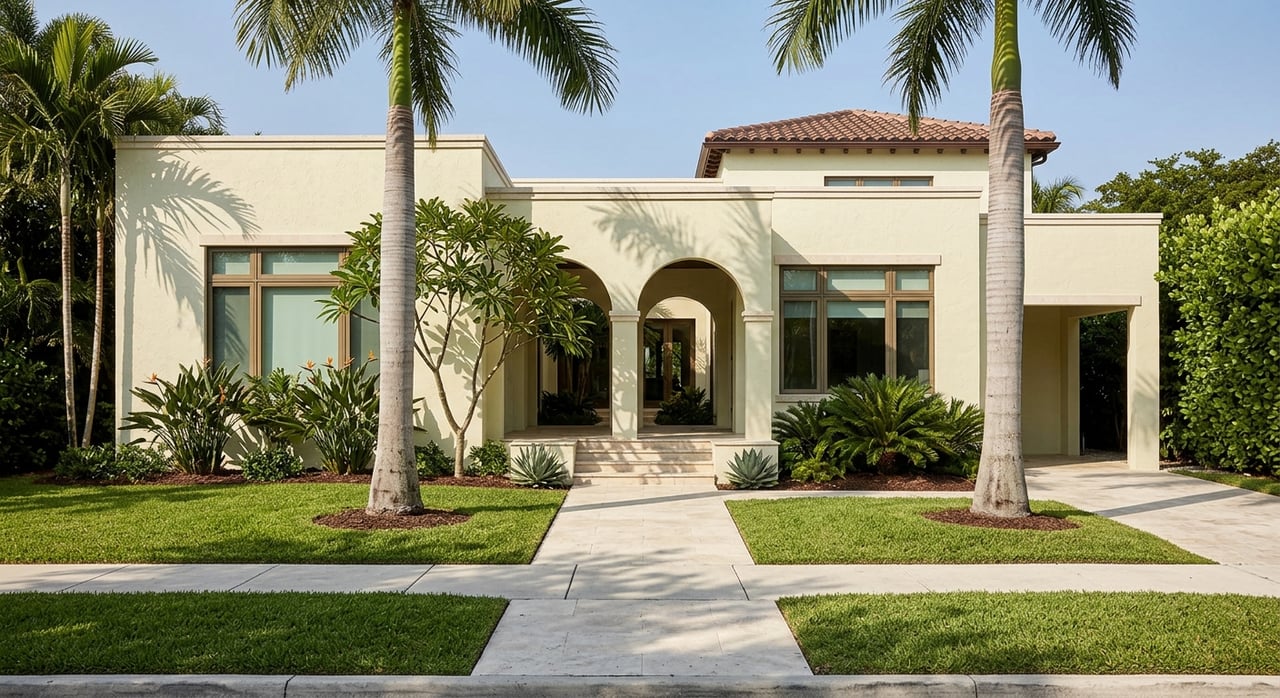
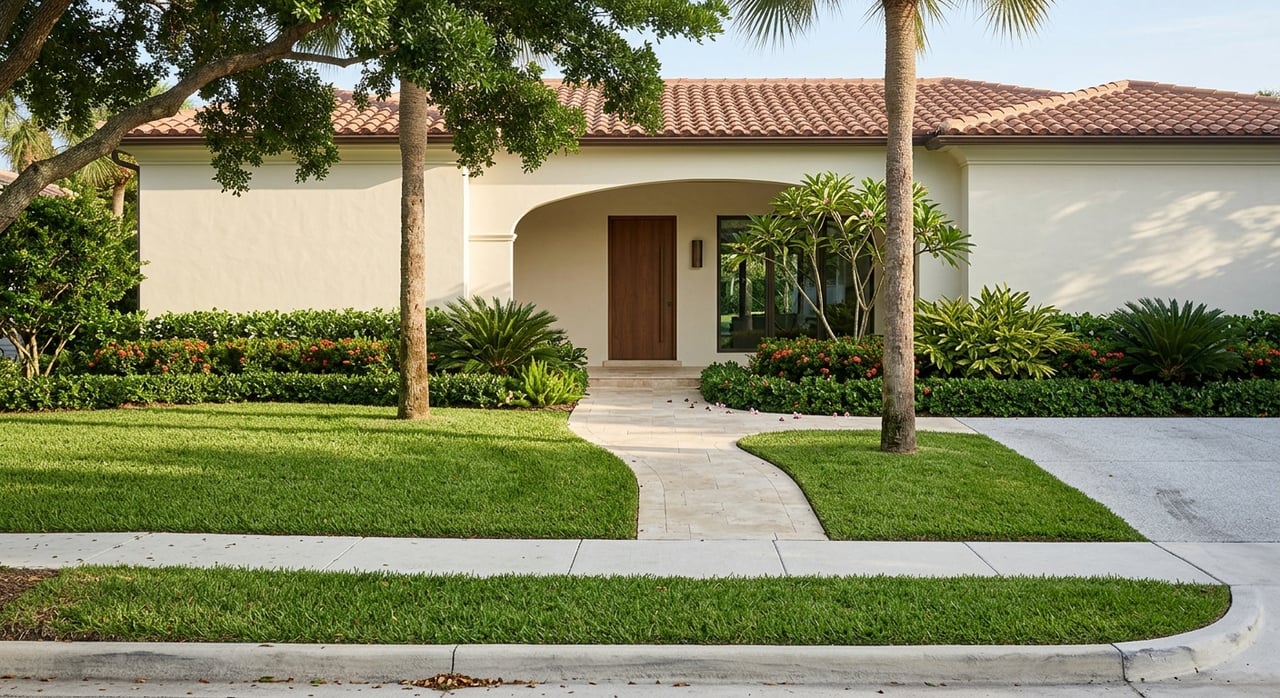
If you live in Fort Lauderdale now, one of the biggest changes you may notice is the housing type. Weston’s housing stock has been described in the city’s planning documents as mostly single-family, with 76.1% single-family homes and 23.9% multifamily housing.
Fort Lauderdale offers a more varied mix. City housing analysis shows 36.5% of units are detached single-family homes, while 33.1% are in structures with 20 or more units, which supports a more condo- and apartment-oriented environment.
Weston neighborhoods often include HOAs
Weston is a master-planned community, and the city notes that most residences are located within private developments governed by homeowners associations. That matters because an HOA can shape everything from exterior maintenance standards to amenity access and monthly carrying costs.
If you like a more structured neighborhood setting, that may feel like a benefit. If you prefer fewer community rules or are used to a more independent condo or rental lifestyle in Fort Lauderdale, it is worth looking closely at association requirements before you move.
Renting in Weston can cost more
Even if you are not buying right away, the rental picture is different. Weston’s median gross rent is $2,794, compared with $1,776 in Fort Lauderdale.
That gap suggests Weston can be a meaningfully more expensive rental market. If you are planning a short-term move first and a purchase later, this is an important part of your budget planning.
Daily Life in Weston Is More Car-Centered
Commutes are longer on average
Your routine may change more than you expect after a move. Average commute time is 29.6 minutes in Weston, compared with 25.3 minutes in Fort Lauderdale.
A few extra minutes may not sound major on paper, but over time it can affect how you plan workdays, school drop-offs, errands, and social plans. If your job or favorite activities keep you close to central Fort Lauderdale, that added drive time deserves real attention.
Weston is built around driving
Weston’s planning documents point to a roadway-focused development pattern, including transportation improvements tied to roadway capacity. Fort Lauderdale’s planning language, by contrast, emphasizes a more pedestrian-friendly and multi-modal environment.
In practical terms, Weston tends to support a driving-first lifestyle. Fort Lauderdale may offer more options for staying closer to work, dining, cultural venues, and waterfront areas without relying on a car for every part of your day.
Lifestyle Trade-Offs Matter Most
Weston leans toward parks and organized recreation
If your ideal free time includes green space, neighborhood recreation, and community programming, Weston brings a lot to the table. The City of Weston maintains 15 municipal park and recreation facilities covering more than 245 acres, and the community center at Weston Regional Park offers year-round classes and programs.
That setup supports a lifestyle centered on outdoor time, organized activities, and neighborhood-based recreation. For many households, that is a strong reason to make the move.
Fort Lauderdale offers a coastal and urban mix
Fort Lauderdale delivers a very different amenity profile. The city is known for its beaches and beach parks, and local tourism materials describe it as shaped by 24 miles of coastline and more than 300 miles of navigable inland waterways.
You also get stronger access to downtown arts and cultural destinations, along with water-based activities that are part of the city’s identity. If beach access, downtown outings, and a more varied urban pace are central to your lifestyle, Fort Lauderdale may still have the edge.
Who Weston May Be Right For
A move from Fort Lauderdale to Weston may make sense if you are looking for a more structured residential setting and are comfortable with the trade-offs that come with it.
You may prefer Weston if you want:
- More single-family home and townhouse options
- A neighborhood environment shaped by private communities and HOAs
- More ownership-oriented housing patterns
- Easy access to parks, recreation facilities, and organized community programs
- A quieter suburban routine than Fort Lauderdale typically offers
For some buyers, this move is less about leaving Fort Lauderdale behind and more about matching their home to a new season of life.
When Fort Lauderdale May Still Fit Better
Weston is not automatically the better move just because it offers more space or a different pace. In many cases, Fort Lauderdale remains the better fit for your priorities.
You may want to stay in Fort Lauderdale if you value:
- A more mixed housing market with condos, apartments, and varied building types
- Beach access and coastal living amenities
- A denser urban setting with more day-to-day convenience
- Slightly shorter average commute times
- Less reliance on HOA-governed neighborhood structures
If your lifestyle depends on being close to the coast, downtown activity, or a more flexible housing mix, moving west may feel like too much of a shift.
Questions to Ask Before You Move
Before you decide, focus on the daily details that shape long-term satisfaction. The best move is usually the one that fits how you actually live, not just what looks appealing during a weekend tour.
Ask yourself:
- How much space do you truly need?
- Are you comfortable living in an HOA-governed community?
- How often are you willing to drive for work, dining, or entertainment?
- Do you want parks and neighborhood recreation more than beach and downtown access?
- Are you planning to rent first, and if so, does Weston’s higher median rent fit your budget?
These questions can quickly clarify whether Weston is the right next step or simply a different option that looks good from a distance.
The Bottom Line on Moving to Weston
Weston can be a strong fit if you want a more planned, ownership-oriented, and suburban lifestyle than Fort Lauderdale typically offers. It stands out for single-family housing, HOA-managed communities, and a recreation-focused environment.
Fort Lauderdale, on the other hand, remains the stronger choice if you want density, housing variety, beach access, and a more urban daily rhythm. Neither city is better in every way. The right choice depends on whether you value space and structure more than coastal access and convenience.
If you are considering a move from Fort Lauderdale to Weston, working with a team that knows Broward’s neighborhood differences can help you compare your options with more clarity and confidence. Connect with The Paiz Group for tailored guidance on your next move.
FAQs
Is Weston more suburban than Fort Lauderdale?
- Yes. Weston is a master-planned suburban city with lower population density, more single-family housing, and more HOA-governed residential communities than Fort Lauderdale.
Is housing in Weston different from housing in Fort Lauderdale?
- Yes. Weston is dominated by single-family homes and townhome-style living, while Fort Lauderdale has a more mixed housing inventory that includes a much larger share of condos, apartments, and larger multifamily buildings.
Are commute times longer in Weston than in Fort Lauderdale?
- Yes. Average commute times are longer in Weston at 29.6 minutes compared with 25.3 minutes in Fort Lauderdale.
Is Weston a good fit if you want parks and recreation?
- Yes. Weston maintains 15 municipal park and recreation facilities across more than 245 acres and offers year-round programming through its community center.
Is Weston more expensive for renters than Fort Lauderdale?
- Based on median gross rent, yes. Weston’s median gross rent is $2,794, compared with $1,776 in Fort Lauderdale.
What is the biggest lifestyle difference between Weston and Fort Lauderdale?
- The biggest difference is usually suburban structure versus coastal urban convenience. Weston leans toward planned neighborhoods, parks, and driving, while Fort Lauderdale offers more beach access, housing variety, and urban amenities.