Buying a historic home in Coconut Grove can feel exciting and a little complex at the same time. You may be drawn to the architecture, mature trees, and sense of place, but you also want to know what comes with owning a property that may be subject to preservation rules. This guide will help you understand what to check before you make an offer, what renovations may require review, and how to plan with fewer surprises. Let’s dive in.
Why Coconut Grove historic status matters
Coconut Grove has a preservation framework that reflects its long history and distinctive character. The City of Miami says much of the Grove is covered by NCD-3, while Village West Island and Charles Avenue fall under NCD-2 in certain areas. These neighborhood conservation districts are zoning overlays, which means they add another layer of standards on top of the base zoning.
For you as a buyer, that difference matters right away. A home can be individually designated historic, located within a historic district, or simply sit inside an NCD overlay. Each situation can affect what changes you can make, how reviews work, and how long future projects may take.
Check the property's status first
Before you focus on finishes or renovation ideas, confirm exactly how the property is classified. The City of Miami provides a historic-property tool that allows you to check an address, and the city’s property-information portal can also show permit history, liens, and violations.
This step is important because historic designation is treated separately from ordinary zoning and building records. If you skip this early review, you could underestimate the approval process or inherit unresolved issues that affect your timeline and budget.
What to verify before an offer
Use the city tools to confirm whether the home is:
- Individually designated historic
- Located in a historic district
- Located only within an NCD overlay
- Subject to open permits
- Subject to code violations or liens
That early research gives you a clearer picture of both ownership responsibilities and renovation flexibility.
Recognize Coconut Grove architectural features
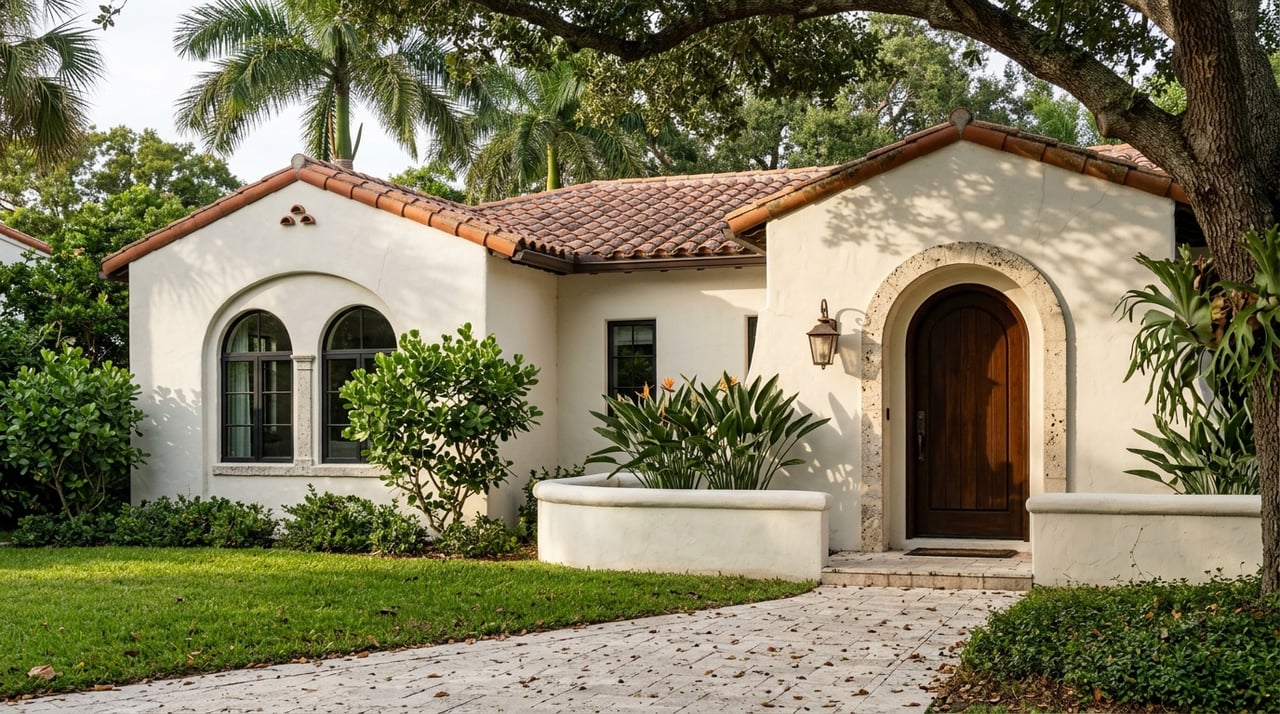
Historic homes in Coconut Grove are not all the same. The area includes several traditional building types, and each has features that may be especially important during preservation review.
In the Charles Avenue area, Bahamian or conch houses are often raised on piers and may include broad gabled or low-hipped roofs, horizontal weatherboards, double-hung sash windows, and front porches with balustrades. Bungalows are usually one to one-and-a-half stories, with broadly pitched roofs, deep porches, overhanging eaves, large sash windows, and wood siding or shingles.
Frame vernacular houses are typically simpler, with rectangular forms, gable or hip roofs, porches, overhanging eaves, and limited ornament. In Village West Island and Charles Avenue, city design guidelines also favor Caribbean vernacular compatibility and traditional forms.
Exterior features often carry the most weight
If you are evaluating a home with renovation potential, pay close attention to exterior character-defining features. In practice, city design rules and preservation standards place strong emphasis on elements such as:
- Porches
- Roof forms
- Windows
- Original exterior materials
- Traditional shutters and trim details
These are often the details most likely to shape whether future changes are approved.
Inspect with preservation in mind
A general home inspection is essential, but older Grove homes benefit from a more focused review. You are not just assessing condition. You are also trying to understand which repairs may need a historically compatible approach.
The practical issues to inspect include roof condition, signs of water intrusion, porch or balcony movement, and previous repairs that may not match historic materials or details. If past work was done inconsistently, correcting it later may involve more design review and documentation.
Windows deserve extra attention
Windows are one of the most important items to review before you buy. Preservation standards favor repair over replacement when possible, and when replacement is necessary, the new work should match the historic feature in design, color, texture, and, where possible, material.
That matters in Coconut Grove because buyers often plan updates for efficiency or storm protection. In some local design guidelines, impact-resistant windows are allowed if they preserve the traditional sash appearance through details such as faux mullions. The key point is that appearance and compatibility still matter.
Trees and drainage should not be an afterthought
In Coconut Grove, the landscape is part of the value and part of the regulation. NCD-3 was created in part to preserve the neighborhood’s tree canopy, green space, and landscaped character.
As you walk the property, look carefully at mature trees, exposed roots, drainage patterns, and any planned hardscape changes. Tree work is regulated by the City of Miami, and changes to paving, landscaping, or site layout can affect what approvals you need later.
Understand the renovation approval process
If you buy a historic property in the City of Miami, future work may require a certificate of appropriateness, or COA. Smaller repairs may qualify for a standard COA, while new construction, demolition, and larger repairs or alterations usually require a special COA and review by the Historic and Environmental Preservation Board.
This is a separate process from your regular building permit. In other words, historic approval does not replace permitting, and permitting does not replace historic approval.
Plan for extra time and documentation
The city recommends seeking preservation approval before applying for the building permit. If you apply for the permit first, the application can be held until the historic approval is complete.
For larger projects, board review can take up to two months. Depending on the work, submittals may include signed and sealed plans, a survey, a context map, a site plan, a landscape plan, material pages, photographs, renderings, and digital signatures.
That is why a historic purchase should be underwritten differently from a standard cosmetic remodel. You are not just budgeting for construction. You are budgeting for review time, drawings, coordination, and sometimes revisions.
Changes that often trigger review
Some updates are more likely than others to require closer scrutiny. If you are buying with plans to personalize the property, expect extra review for:
- Window and door replacement
- Roof replacement
- Fences, walls, and gates
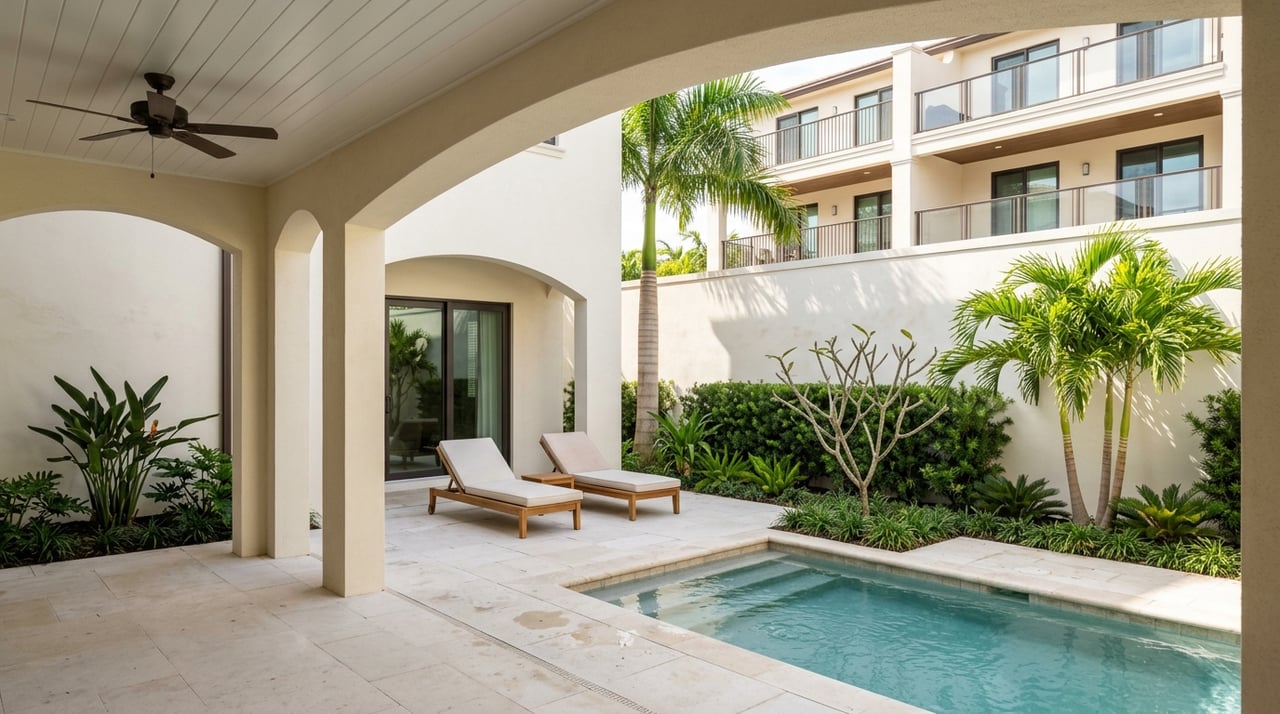
- Pools and paving
- Landscaping changes
- Decks
- Tree removal
These are common projects in Coconut Grove, but they are also the kinds of work that can affect historic character or the neighborhood landscape.
Know the neighborhood-specific layers
Not every part of Coconut Grove is reviewed the same way. In NCD-2, new construction and major alterations or additions on Charles Avenue require waiver review and are judged for compatibility in scale, materials, roof slope, massing, and ornamental details.
The city also refers demolition of structures more than 50 years old along Charles Avenue to the Historic Preservation Officer. In NCD-3, all demolition permits require a waiver and a tree survey by a certified arborist, reflecting the district’s emphasis on preserving the area’s tree canopy and landscaped setting.
For buyers, the takeaway is simple: your lot, block, and overlay matter. Two homes with similar square footage may face very different rules based on location and designation.
Build the right team early
If you plan to renovate after closing, line up the right professionals before you finalize your budget. A preservation-savvy architect, a contractor who understands Miami’s historic approval process, and an arborist when trees may be affected can save you time and help you avoid redesigns.
The most efficient workflow is to verify designation first, review permit history and violations next, and then ask city preservation staff what approval path your project is likely to require. That sequence gives you a better basis for pricing the home, planning your scope, and setting realistic expectations.
What this means for your buying strategy
Buying a historic home in Coconut Grove can be incredibly rewarding, especially if you value architecture, mature landscaping, and a property with genuine character. The key is to approach the purchase with clear eyes and a strong due diligence process.
When you know how to verify historic status, inspect the right features, and budget for approvals, you put yourself in a much stronger position. You can move forward with confidence and protect both your investment and the features that make the home special.
If you are considering a historic or architecturally distinctive home in Coconut Grove, working with a team that understands the local process can make your search and negotiation much smoother. Connect with The Paiz Group for polished, high-touch guidance tailored to South Florida’s most nuanced home purchases.
FAQs
What should buyers check first before buying a historic home in Coconut Grove?
- Buyers should first confirm whether the property is individually designated historic, located in a historic district, or only inside an NCD overlay, then review permit history, liens, and violations through City of Miami tools.
What renovations usually need review for a Coconut Grove historic home?
- Common projects that often trigger review include window and door replacement, roof replacement, fences, walls, gates, pools, paving, landscaping, decks, and tree removal.
What is a certificate of appropriateness for a Miami historic property?
- A certificate of appropriateness is the city’s preservation approval process for work on a historic property, and it is separate from the regular building permit process.
What architectural features matter most on historic homes in Coconut Grove?
- Exterior character-defining features such as porches, roof forms, windows, and original materials often matter most because they strongly influence preservation review decisions.
Why are trees important when buying a Coconut Grove historic property?
- Trees are important because Coconut Grove’s preservation rules emphasize canopy and landscape character, and tree work or hardscape changes may require additional review and permitting.