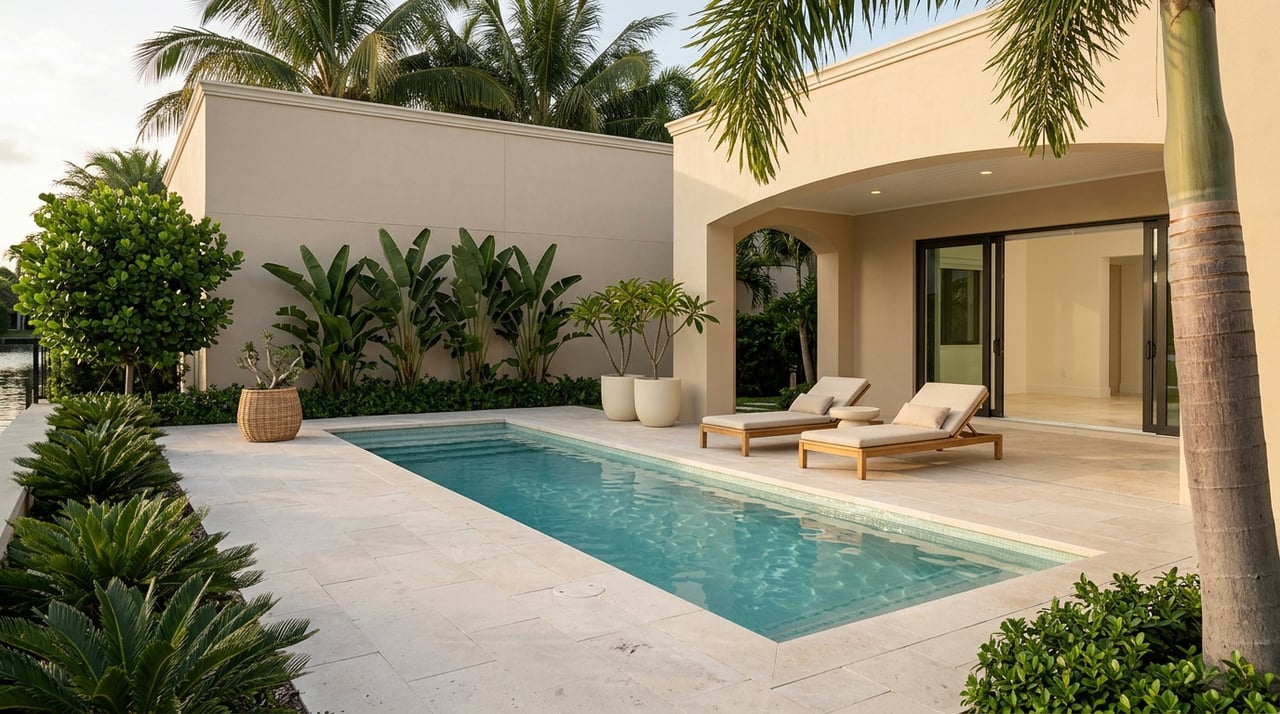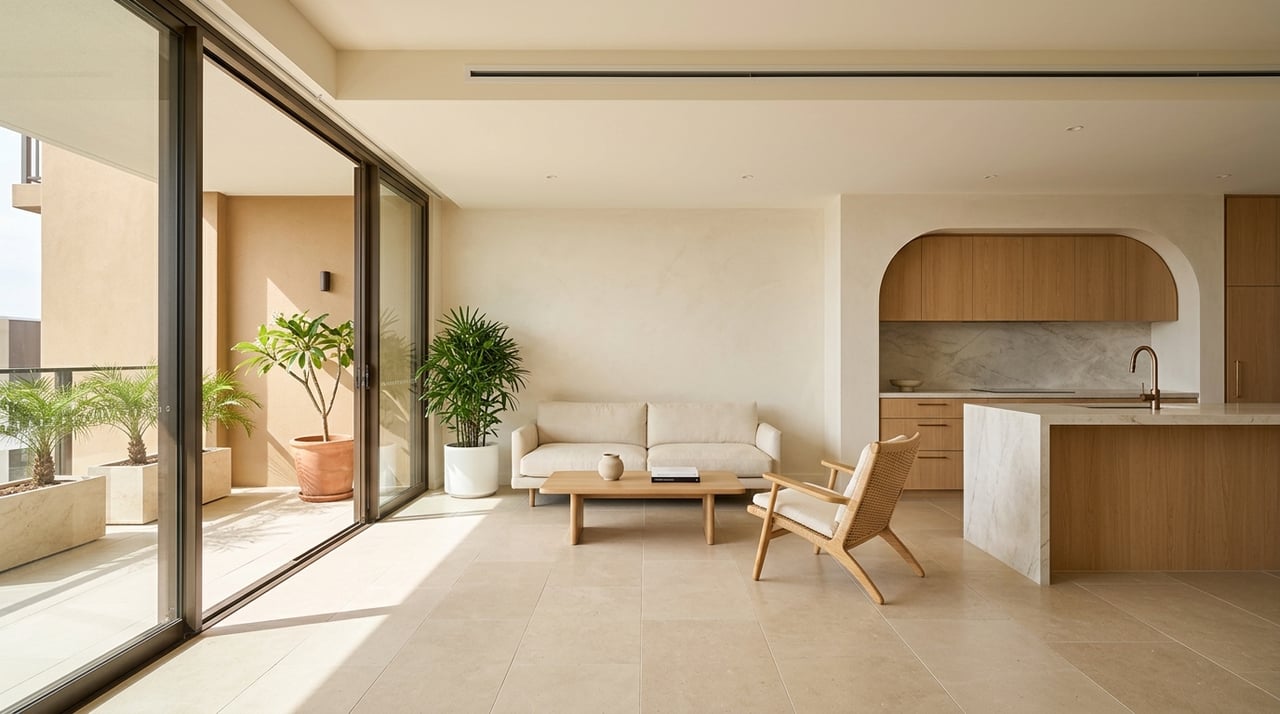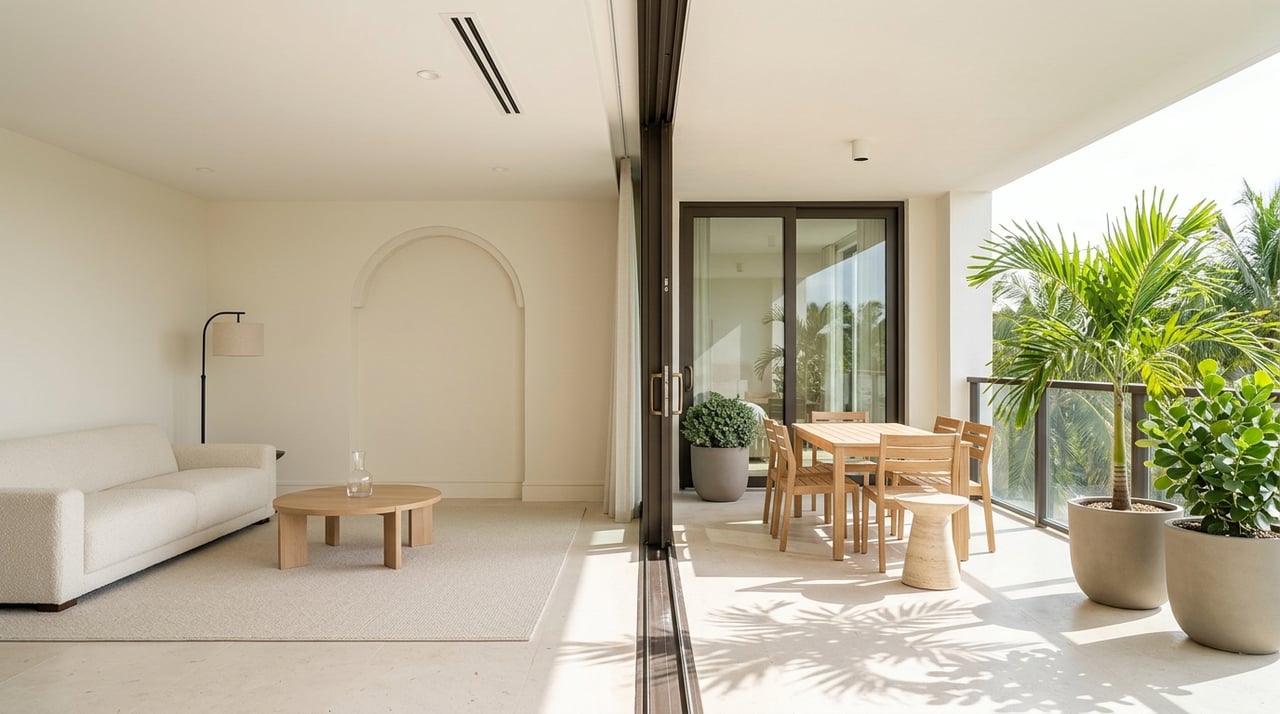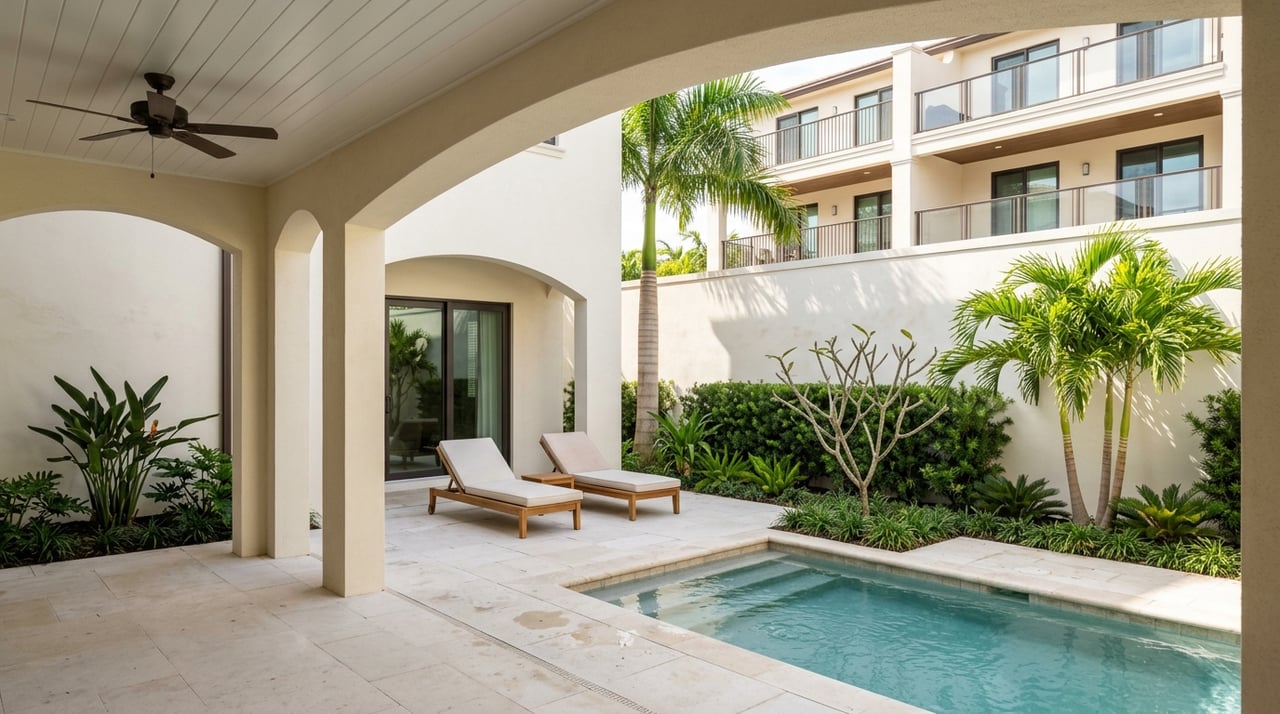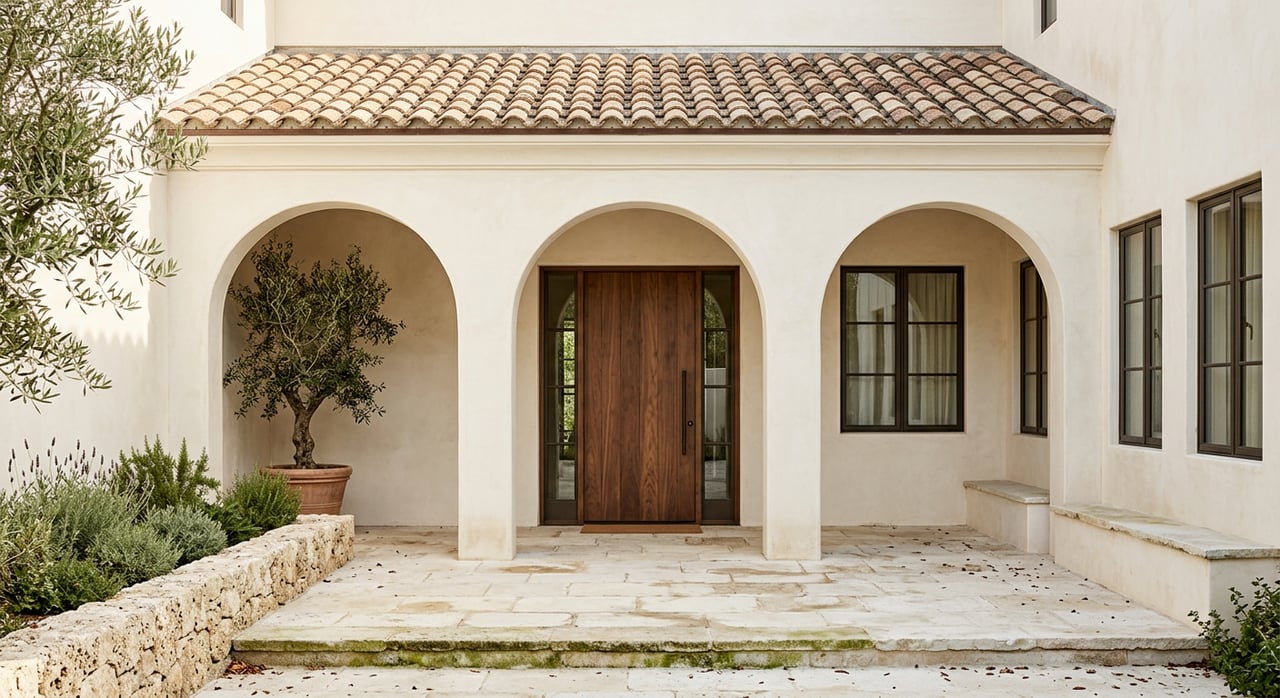
You know the feeling when a Coral Gables home stops you in your tracks — the barrel tile roof, the arched entry, the courtyard glowing at sunset. But which style is right for how you live, what upkeep will it need, and how do local rules affect your plans? You deserve clear, practical guidance before you fall in love.
In this buyer’s guide, you’ll learn how to spot the main Coral Gables home styles, what their layouts and materials typically mean for daily living, which inspections to prioritize, and the city rules that shape renovations. You’ll walk away ready to choose with confidence. Let’s dive in.
Coral Gables at a glance
Coral Gables was planned in the 1920s as a City Beautiful community with a cohesive Mediterranean and Spanish influence. The city still preserves this identity through its Historic Preservation program and Board review process for designated properties. You can explore the city’s preservation framework on the official Historic Preservation division page.
Signature landmarks like the Venetian Pool, City Hall and the Biltmore Hotel showcase the original palette of coral rock, stucco, clay barrel tile and wrought iron. See examples on the city’s Historical Landmarks page. While Mediterranean Revival is the foundation, George Merrick also commissioned themed villages and invited a range of architects, so you’ll find intentional variety and later layers such as mid‑century and contemporary homes. For an accessible overview, Coral Gables Magazine highlights this diversity in a feature on Merrick’s villages.
Mediterranean Revival essentials
How to identify it
- Stucco walls, red clay barrel tile roofs and broad arches
- Courtyards, loggias and shaded arcades that link indoors and out
- Wrought iron, decorative glazed tile and occasional native coral rock accents
Layout and materials
Plans often sequence formal rooms toward a patio or central courtyard. Interiors may feature plaster walls, exposed wood beams, and tile or terrazzo floors. Early homes are typically masonry with stucco finishes suited to the local climate.
Maintenance and inspections to prioritize
- Stucco care. Historic stucco is long wearing, but cracks or spalling usually indicate a moisture source you must address first. Preservation guidance recommends compatible repair mixes that match the original’s composition and porosity. For best practices, see the National Park Service brief on preserving and repairing historic stucco.
- Clay tile roofs. Tile units can last decades, but underlayment, fasteners and flashings typically age first. In hurricane country, inspections should focus on valleys, flashing and attachment. The NPS offers general preservation by topic resources you can share with roofing experts.
- Moisture and pests. South Florida humidity and salt air accelerate corrosion, and any wood elements deserve a licensed WDO (termite) inspection as part of your due diligence.
Lifestyle and value notes
Buyers prize authentic “classic Gables” character, mature landscaping and walkable historic districts. If the property is locally designated, exterior changes often require a Certificate of Appropriateness and Historic Preservation Board review. The city outlines processes on its Historic Preservation division page.
Mission and Spanish Colonial variants
You will see close cousins to Mediterranean Revival that lean into Spanish details like carved wood doors, decorative ironwork and baroque tile. Materials and inspection priorities mirror those above: watch stucco, tile roofs, flashing and moisture control. The scale ranges from smaller bungalows to larger estates.
Mid‑century and ranch homes
How to identify them
- Low or flat roofs, strong horizontal lines and larger panes of glass
- Sliding doors opening to patios and pools, breeze‑block screens and carports
- Simpler ornament with terrazzo or wood floors
Coral Gables added pockets of mid‑century and ranch homes after the original 1920s era. For a visual overview, see Coral Gables Magazine’s look at mid‑century architecture.
Layout and upgrade patterns
Expect single‑level living with easy indoor‑outdoor flow and generous rear yards. Many homes benefit from modernized kitchens and baths, updated mechanical systems and improved insulation. Original windows are often not impact rated.
Maintenance focus
Flat or low‑slope roofs deserve careful review for membrane condition, drainage and flashing. Window upgrades to impact glazing or approved shutters are common to meet code and improve insurance credits. For context on building stewardship, see the NPS preservation by topic hub.
Lifestyle fit
If you want open flow, single‑story convenience and straightforward interior reconfiguration, mid‑century and ranch homes are attractive candidates.
Contemporary custom builds
What you will see
Current builds range from modern glass‑and‑concrete designs to updated Mediterranean interpretations. They typically deliver higher ceilings, larger garages, modern HVAC and electrical capacity, and impact‑rated glazing.
Regulations and reviews
Coral Gables uses Mediterranean Style Design Standards that can grant project incentives when new construction visually links to the city’s heritage. The city explains this “Mediterranean Bonus” in its design standards document. Redevelopment can trigger neighborhood interest and municipal scrutiny, especially around demolition or streetscape impact.
Buyer takeaways
New builds reduce near‑term maintenance and often meet current hurricane and energy standards. Confirm final permits, any conditions tied to approval and tree or landscape requirements attached to the site plan.
Regulations that shape your choices
Historic preservation rules
The city maintains a preservation ordinance and review process for locally designated properties. Exterior work and demolition on landmarked homes typically require Historic Preservation Board review. Start with the city’s Historic Preservation division to understand applications and timelines.
Zoning and the Mediterranean Bonus
Section 5‑604 of the zoning code contains the Mediterranean Style Design Standards. These can affect allowable building intensity or height if a project earns approval from the Board of Architects. See the city’s design standards overview and verify site specifics with current code interpretations.
Hurricane codes and product approvals
Miami‑Dade is in Florida’s High‑Velocity Hurricane Zone. Exterior products like windows, doors and shutters often must carry Miami‑Dade Notices of Acceptance or Florida Product Approval to pull permits. You can verify approvals on the county’s product testing and NOA page.
Flood risk and the FEMA 50 percent rule
Check a property’s flood zone using FEMA’s Flood Map Service Center and request the seller’s Elevation Certificate when available. Miami‑Dade explains EC procedures on its Elevation Certificates page. If you plan a major renovation in a Special Flood Hazard Area, review FEMA’s guidance on substantial improvements, often called the 50 percent rule, in FEMA P‑758.
Buyer checklist for any style
- Order a full home inspection to establish roof, structure and systems baseline. Florida buyers also schedule a separate WDO inspection to check for termites or fungal damage. For inspection scope basics, see the state’s home inspection guidance.
- Commission a roofing specialist. For tile roofs, confirm underlayment age, flashing and fasteners. For low‑slope roofs, check drainage and membrane condition. The NPS preservation by topic resources can help frame the conversation.
- Verify flood details. Request an Elevation Certificate or budget to obtain one. Cross‑check FEMA flood maps and learn how the 50 percent rule may affect a planned renovation.
- Confirm product approvals. If windows or doors were replaced, verify Miami‑Dade NOA or Florida Product Approval numbers and permits on record via the county’s product testing inquiries page.
- Review permits and preservation status. Ask for permit history, any Certificates of Appropriateness and recent appraisals. Contact the city’s Historic Preservation Division to confirm if the property is designated or under review.
- Assess mechanicals. Note the age and capacity of HVAC systems, electrical panels and plumbing materials. Plan upgrades to support modern loads and climate performance.
Which style fits your lifestyle
- Mediterranean Revival. Choose this if you value historic character, courtyards and established streetscapes. Expect specialist maintenance and targeted review if the home is locally designated.
- Mission or Spanish Colonial variants. Similar charm with Spanish inflections. Scale varies from cozy bungalows to estates. Maintenance priorities mirror Mediterranean Revival.
- Mid‑century or ranch. Ideal if you want single‑story living, broad glass to the backyard and easier interior reconfiguration. Plan for window upgrades and roof membrane care.
- Contemporary custom builds. Best if you want modern systems, taller ceilings and impact glazing ready on day one. Confirm permits, site conditions and any design standard incentives.
Ready to explore Coral Gables homes
Your next step is to pair style knowledge with on‑the‑ground insight, inspection strategy and a clear plan for permitting. If you want a curated search and guidance tailored to how you live, connect with The Paiz Group. Our team brings neighborhood expertise across Miami‑Dade plus the global reach of Berkshire Hathaway HomeServices to help you buy with confidence.
FAQs
What defines Mediterranean Revival homes in Coral Gables?
- Stucco walls, clay barrel tile roofs, arches and courtyards are hallmarks, with details like wrought iron and decorative tile that link to the city’s protected heritage.
Do historic Coral Gables homes need special approvals for exterior changes?
- Yes, locally designated properties typically require a Certificate of Appropriateness and Historic Preservation Board review for exterior work or demolition.
Are mid‑century and ranch homes easier to modernize?
- Often yes, because single‑story plans and simpler interiors are straightforward to reconfigure, though windows and low‑slope roofs may need targeted upgrades.
What hurricane standards apply to Coral Gables windows and doors?
- In Miami‑Dade’s HVHZ, exterior products usually need Miami‑Dade Notices of Acceptance or Florida Product Approval to meet code and support insurance credits.
How do I check a Coral Gables property’s flood risk?
- Review FEMA flood maps, request an Elevation Certificate and discuss FEMA’s 50 percent substantial improvement rule before planning major renovations.
What inspections are essential for older Coral Gables homes?
- Schedule a full home inspection, a WDO inspection, a roofing specialist review, and evaluations of electrical, HVAC and plumbing, then verify permits and approvals.