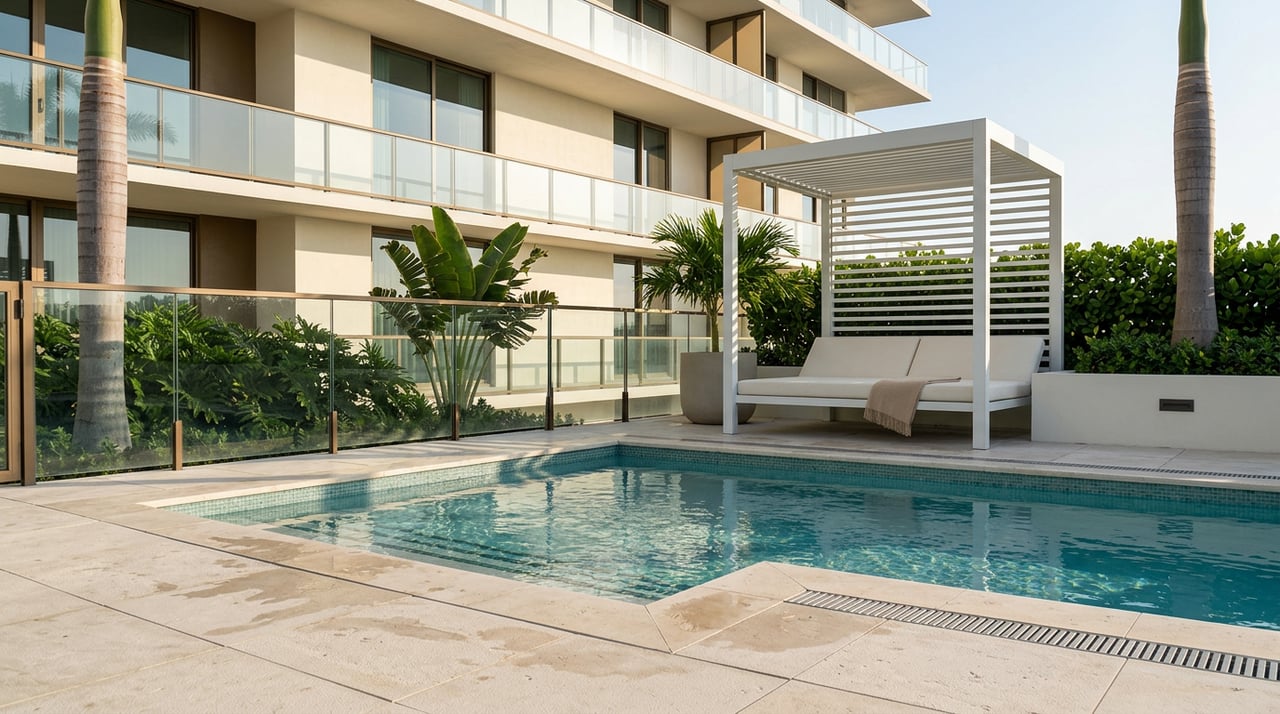
What would you do with an extra hour most days? In Brickell, the right condo amenity stack can give you time back by removing friction from your routine. If you run a packed calendar of meetings, travel, and client dinners, choosing a building is about more than square footage. In this guide, you’ll learn how Brickell’s amenities are tiered, which features matter most for executive living, how they affect monthly dues and resale, and how to vet a building before you buy. Let’s dive in.
Why amenities matter in Brickell
Brickell has transformed into Miami’s vertical financial district with a walkable core, integrated retail, and hotel-level services competing for executive buyers. Coverage highlights a surge of corporate relocations and branded projects that have raised both demand and service expectations in the neighborhood. That growth has pushed developers to compete on concierge offerings, spas, and workplace-ready spaces rather than just design and views as noted in Barron’s.
Developers are also leaning into hospitality-style programs and branded residences. These buildings market in-residence dining, private clubs, wellness centers, and digital concierge tools because buyers increasingly value a turnkey, serviced lifestyle according to Knight Frank.
The three luxury tiers in Brickell
Think in tiers so you can focus on what you will actually use and how it impacts your dues.
Tier A: Essential executive amenities
What you can expect in most modern high-end towers:
- 24/7 attended lobby and controlled access
- Secure covered parking with valet and some EV charging
- Fitness center plus lap or resort pool and basic spa/locker rooms
- Package room and on-site management/engineering
- Building Wi‑Fi in common areas and high-speed fiber backbone if marketed
Why it matters: These are the convenience basics that support a long workweek. Buildings like Brickell Flatiron emphasize an attended lobby, destination-controlled elevators, and a rooftop fitness and spa program that function as daily tools rather than occasional perks as outlined on the amenity page.
Tier B: Premium, hotel-level programs
Features that add service, wellness, and work flexibility:
- Full spa with treatment rooms, steam and sauna, staffed wellness programming
- Multiple social lounges, private dining rooms, and wine spaces for entertaining
- Staffed business center, reservable meeting rooms, co‑working lounges
- Multiple pools and often poolside food and beverage service
- Enhanced tech like building apps and digital concierge
Executive fit: If you host clients, need private offsite meeting rooms near home, or want on-demand health services, you will likely use these. Panorama Tower, for example, offers private theaters, a cyber café, and a large amenity deck that suits both work and hosting as detailed here. SLS Lux Brickell adds a branded spa program, executive business center, and sky lounge for a hotel-like living experience according to the brand’s overview.
Tier C: Ultra, super-amenities
Signature features that command premiums and drive headlines:
- Private marinas or direct marina partnerships
- Branded in-residence dining, butler service, and housekeeping packages
- Chauffeur or house-car programs, enhanced valet fleets, and car detailing
- Unique perks like owners’ clubs, multi-floor wellness centers, and private pools
Executive fit: If you value privacy, host frequently, or own a boat, these offerings can be game changers. UNA Residences markets private marina access and a wellness-forward amenity plan, which is rare within Brickell. Cipriani Residences highlights branded dining, a resident club, and butler services that appeal to buyers who want a recognizable hospitality standard. ORA by Casa Tua integrates curated dining concepts, rooftop programming, and workspaces for a food-and-design-forward lifestyle as presented by the project.
Match amenities to your day
Use your daily routine to guide what you pay for. Here are the big categories that tend to move the needle for executive buyers.
Work and privacy
- Concierge and security: Look for 24/7 staffed lobbies, private arrival courts, and access control that protects privacy while streamlining guest entry. Buildings that advertise destination-controlled elevators and discreet service entries help maintain a secure, low-friction environment as seen at Brickell Flatiron.
- Work-from-home infrastructure: Reservable conference rooms, sound-treated business suites, and reliable building-wide fiber reduce the need to rent external space and make client meetings easy. Many leading towers now market business centers and cyber cafés as core amenities as with Panorama Tower’s program.
- Tech and connectivity: Smart-home readiness, building apps for booking spaces, and strong cellular coverage protect productivity and ensure services are one tap away.
Questions to ask yourself:
- Do you need true conference rooms, or will a lounge suffice?
- How often will you host sensitive meetings that benefit from private elevator access?
- Will you rely on building Wi‑Fi or require dedicated in-unit networking upgrades?
Health and downtime
- Wellness and spa: Full-service spas with steam, sauna, treatment rooms, and group programming can replace outside memberships and cut commute time to wellness. Branded buildings often operate these at a higher service level as SLS promotes.
- Fitness: Look for strength and cardio variety, training zones, and class programming. Rooftop or view-forward gyms can make daily use more appealing.
- Pools: Separate lap and leisure pools mean you can swim for fitness without navigating weekend crowds.
Questions to ask yourself:
- Will you use spa treatments monthly, or is a high-end gym with lockers enough?
- Do you prefer a lap pool for training, or a resort pool deck for unwinding and hosting?
Host and entertain
- Private dining and lounges: Client dinners and celebrations are easier with reservable dining rooms, chef’s kitchens, and wine storage.
- Screening and event rooms: On-site theaters and flexible event spaces support presentations, launches, or private screenings as featured at Panorama Tower.
- Culinary identity: Some branded projects integrate restaurants and club concepts that offer a consistent hospitality standard on site as ORA by Casa Tua highlights.
Questions to ask yourself:
- Will you host more at home if you can reserve a private dining room?
- Do you want resident-only venues to keep events streamlined and discreet?
Mobility and storage
- Parking and valet: Confirm whether parking is deeded or assigned, EV charger availability, and waitlists. Consistent valet staffing can save daily time.
- Marina and water access: If boating is part of your lifestyle, prioritize buildings with private slips or strong marina partnerships. Understand slip size limits, depth, and routes to open water.
- House car and transport: Some properties offer chauffeur or house-car options that simplify client pickups and airport runs.
Questions to ask yourself:
- Do you need deeded parking, or is assigned plus valet acceptable?
- How essential is immediate marina access versus a nearby offsite slip?
Understand HOA impact and value
Amenity depth correlates with monthly dues. National data shows HOA prevalence and dues have been trending higher, driven by insurance, safety, and reserve requirements. Realtor.com’s recent reporting noted a national median HOA fee in the mid three figures, with increases tied to these cost pressures as summarized by Barchart.
In Brickell, luxury towers with extensive services often carry monthly association fees in the low-to-mid four figures for higher-service units. That range varies widely by building, unit size, and inclusions. Branded residences and hotel-style programs usually command premiums, a dynamic many market observers describe as an amenities arms race per Knight Frank’s research.
How to weigh value:
- Start with usage: List the top five amenities you will use weekly. If a feature does not touch your routine, assume it adds cost without daily value.
- Compare inclusions: Separate what is covered in dues from fee-for-service items like marina slips, spa treatments, and housekeeping.
- Stress test dues: Review the reserve study and insurance line items. Ask about historical special assessments and upcoming capital projects.
Brickell micro case studies
Use these buildings as reference points to benchmark amenity fit and service level.
Panorama Tower
A comprehensive, lifestyle-forward program with multiple pools, private theaters, a cyber café, on-site market, and attended lobby services. If you host clients often and want on-site entertainment and workspaces, Panorama’s layout makes life easy see the amenity overview.
Brickell Flatiron
A wellness and tech-forward choice that emphasizes rooftop fitness, spa, and pool experiences. Destination-controlled elevators, digital concierge, and 24/7 valet offer privacy and convenience for executive routines as highlighted here.
SLS Lux Brickell
A hotel-branded tower with a staffed spa, executive business center, and sky lounge. Ideal if you want consistent hospitality standards and on-demand services paired with a large, programmed amenity deck per the SLS Lux profile.
UNA Residences
A bayfront concept known for private marina access, multiple pools, and a robust wellness plan. If boating and waterfront living are priorities, UNA’s rare marina access and service mix are compelling for daily life.
Cipriani Residences and ORA by Casa Tua
Cipriani Residences spotlights branded dining, a resident club, wellness, and butler-style services that appeal to buyers who want recognizable, European-inflected hospitality at home. ORA by Casa Tua integrates culinary concepts, curated wellness, and flexible workspaces for a dining-centric, social lifestyle as the project outlines.
Due diligence checklist for executive buyers
Before you commit, request a complete picture of the building’s finances, rules, and service contracts. Make your HOA packet review part of your offer contingencies so you can exit or renegotiate if red flags appear.
Documents and data to request:
- Full HOA or condo packet, including CC&Rs, bylaws, and rules
- Current operating budget, recent financial statements and bank statements, and the latest reserve study
- Estoppel or resale certificate showing arrears, assessments, and transfer fees
- Board meeting minutes and any litigation disclosures, including construction or defect claims
- Vendor contracts for key services like spa, valet, marina, and security, plus any fees billed separately from dues
- Occupancy mix, including percentage of owner-occupants versus rentals
Key questions to ask management or the board:
- Which services are included in dues versus fee-for-service? Are marina slips deeded or leased, and what are waitlists and transfer rules?
- Is parking deeded or assigned? How are EV chargers allocated, and what are installation policies or costs?
- What is the history of special assessments? Which capital projects are planned based on the reserve schedule?
- What are security staffing levels, and does the building use destination-controlled elevators or private elevator entries for certain units?
- For branded residences, which in-residence offerings are permanent and which can change if management or ownership changes?
Pro tip: Align your attorney and lender early so financial review, insurance, and reserve requirements are addressed within agreed timelines.
How to choose your best-fit building
- Define your non-negotiables: Pick three daily-use features, such as a staffed business center, full spa, or private dining rooms.
- Price the lifestyle: Compare dues, included services, and likely add-ons. Model 3 to 5 years of carrying costs.
- Test the routine: Visit during peak hours to evaluate valet speed, elevator wait times, and crowding at gyms and pools.
- Verify service depth: Read third-party vendor contracts and confirm hours, staffing, and resident-only privileges.
- Think forward: Consider how well the building’s technology, wellness, and workspace plans will age as your routine evolves.
Ready to pinpoint the right Brickell tower for your lifestyle and calendar? Reach out to our team for a tailored shortlist and a clear comparison of dues, services, and long-term value. Connect with The Paiz Group for private guidance.
FAQs
Are more amenities always a better investment in Brickell?
- Not always. Deeper amenities can boost marketing appeal but often raise dues and complexity. Evaluate HOA health, rental rules, and your actual usage before paying a premium as broader trends suggest and as branded-residence dynamics show.
How can I verify a building’s marina or car services before I buy?
- Request the vendor contract, rate sheets, and any slip deed or lease documents. Confirm size limits, depth, waitlists, reservation rules, and whether services are included in dues or billed separately.
Are branded residences in Brickell worth the premium for executives?
- It depends on usage. Many buyers pay premiums for consistent hospitality standards and on-demand services, but value hinges on how often you use the brand’s wellness, dining, and concierge offerings as analyzed by Knight Frank.
How do HOA fees in Brickell compare to general Miami condos?
- Amenity-dense, high-service Brickell towers commonly carry higher monthly dues than the broader market. Expect a wide range based on unit size, insurance, reserves, and service depth. Always verify exact dues, inclusions, and assessment history with the HOA packet.
Which amenities do executive buyers use most week to week?
- Top categories tend to be concierge and security, work-from-home infrastructure with meeting rooms, fitness and spa, private dining or lounge spaces, and mobility features like valet and EV charging. Choose based on the features that will save you the most time and simplify hosting.