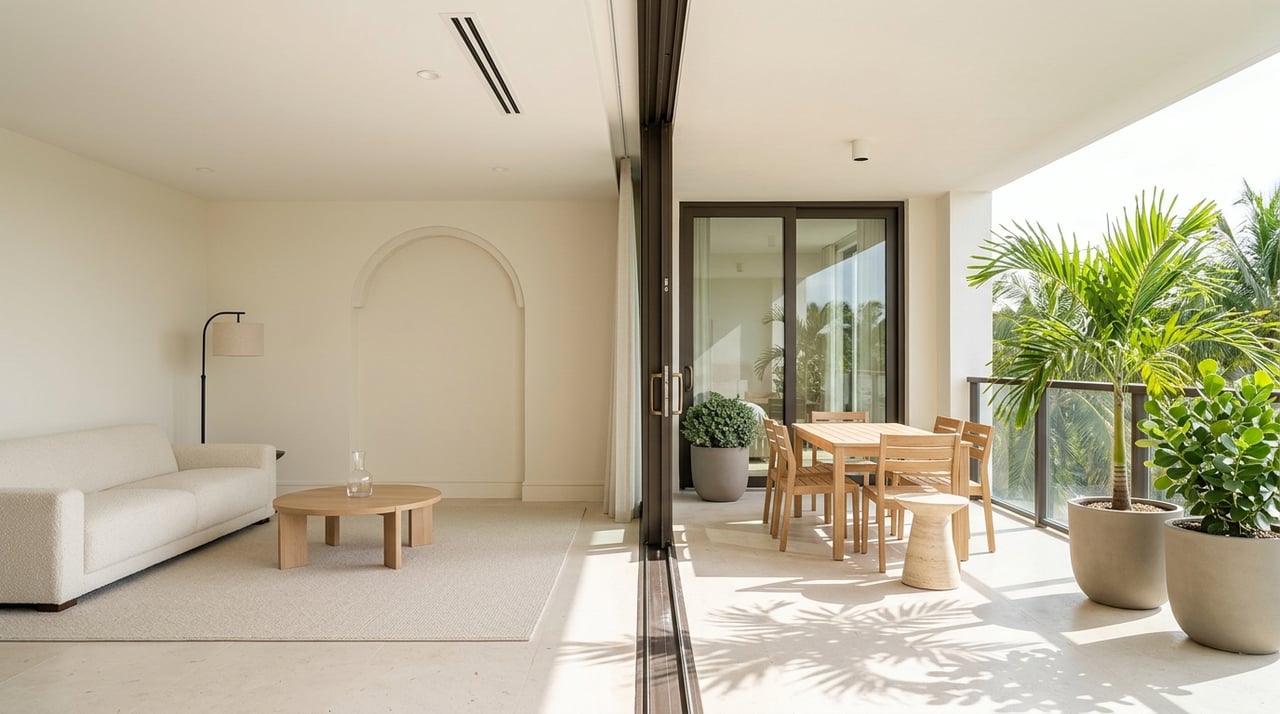
If you picture a seasonal home in South Florida, Key Biscayne often stands out for one simple reason: it makes everyday coastal living feel easy. You are not just buying beach access. You are choosing a compact island routine where parks, boating, tennis, dining, and daily errands can all fit into a short stay without much friction. If you are considering a condo here, it helps to understand both the lifestyle perks and the ownership realities before you make a move. Let’s dive in.
Why Key Biscayne works for seasonal owners
Key Biscayne offers a rare mix of resort-style living and practical convenience. For seasonal owners, that matters because you want a home that feels enjoyable right away, not one that requires constant setup every time you arrive.
The island lifestyle is built around proximity. Beaches, parks, marinas, wellness options, and local services are all close at hand, which can make a lock-and-leave condo feel far more workable than a second home in a less connected coastal area.
Beach access and outdoor living
One of the biggest draws of Key Biscayne is how much outdoor access is packed into a relatively small area. If your ideal seasonal routine includes morning walks, beach afternoons, and time on the water, the island delivers.
Bill Baggs Cape Florida State Park
Bill Baggs Cape Florida State Park offers 1.25 miles of beach along with lighthouse access, biking, kayaking, canoeing, fishing, showers, restrooms, picnic pavilions, and both oceanfront and bayfront dining. The park is open from 8 a.m. until sundown year-round, and admission is $8 per vehicle.
For a seasonal owner, that means you have a dependable, well-known outdoor destination ready to enjoy without planning a full-day outing off the island. It supports the kind of routine many second-home buyers want: simple, scenic, and easy to revisit.
Crandon Park amenities
Crandon Park adds even more variety with a two-mile beach, marina, 18-hole golf course, tennis center, watersports, and nature center. It is one of the island’s major lifestyle anchors and broadens what you can do during shorter stays.
If you enjoy paddling, boating, or golf, this matters. Crandon Park also notes that personal kayaks and paddleboards must launch from the marina rather than the beach, which is useful to know as you plan your setup.
Village parks and resident spaces
The village parks system adds neighborhood-scale green space that can make everyday life feel more settled. Beach Park is resident-only and accessed by key fob through the Community Center, while other village spaces include Village Green, East Enid Linear Park, a dog park, bocce, and additional green areas.
These are the kinds of amenities that help seasonal living feel familiar fast. You can step into a daily rhythm more easily when recreation is built into the setting around you.
Daily convenience on the island
A seasonal home works best when your errands do not become a project. Key Biscayne benefits from a strong mix of local businesses and service providers that support short stays and repeat visits.
The local Chamber directory lists grocery options, postal and business services, dry cleaning, banking, pharmacy, urgent care, physical therapy, salons, property management, and real estate offices along Crandon Boulevard and nearby centers. That concentration of services helps reduce the hassle that can come with coming and going through the year.
Dining options close to home
Dining is another part of Key Biscayne’s appeal. The local mix ranges from casual cafes and bakeries to Mediterranean, sushi, seafood, and waterfront dining, with examples including D'Lite Bistro & Bakery, Costa Med, La Scala, Origin Asian Bistro & Sushi, Novecento, Lighthouse Cafe, Boater's Grill, and The Cleat.
For seasonal owners, variety matters more than it may seem at first. When you are in town for a few weeks or a few months, having comfortable, familiar places nearby helps your condo feel like a true base rather than just a place to sleep.
Wellness and recreation
If you want active amenities beyond the beach, Key Biscayne checks several boxes. Crandon Tennis Center offers 27 courts and programs for different levels, while Crandon Golf provides a championship 18-hole course.
The broader park system also supports jogging, bocce, dog walking, and trail use. This gives you multiple ways to stay active without needing to build a new routine every season.
Getting on and off Key Biscayne
Seasonal living on Key Biscayne comes with one important practical detail: the Rickenbacker Causeway is the only land access to the island. It is also one of Miami-Dade County’s busiest routes for bicycling and running.
That does not make island living difficult, but it does shape the rhythm. If you are someone who likes to move between the island and greater Miami often, access and timing should be part of how you evaluate day-to-day convenience.
What condo ownership really involves
Lifestyle is only half the story. If you plan to own a Key Biscayne condo seasonally, your ownership experience will also depend on the building’s finances, maintenance planning, and governance.
Monthly costs to budget for
A full ownership budget should include more than your mortgage. You should account for principal and interest, property taxes, homeowners insurance, flood insurance if applicable, and condo or HOA dues.
Condo and HOA dues are generally paid directly to the association rather than bundled into the mortgage payment. Those dues can range from a few hundred dollars a month to more than $1,000 a month, depending on the property and building.
Insurance and flood planning
Coastal ownership also means taking insurance seriously. Standard homeowners insurance does not cover flood damage, so flood insurance may need to be part of your planning depending on the property’s risk profile or lender requirements.
In a place like Key Biscayne, that is not a small side issue. It is one of the central cost and risk questions to understand before you buy.
Florida condo rules matter
In Florida, condo buildings with three or more habitable stories are subject to milestone inspection rules. Structural integrity reserve study requirements can also affect how much a building needs to hold in reserves and how exposed owners may be to future assessments.
This is especially important for seasonal buyers because you may be away for long stretches. In that situation, the quality of the association’s planning is not just paperwork. It is a major part of the product you are buying.
Reserve studies and special assessments
Florida rules state that inspection reports and reserve studies are part of the association’s official records and must be provided to potential purchasers. Reviewing those records can help you understand the building’s condition and how the association is preparing for ongoing repairs and capital needs.
Even so, special assessments can still happen when reserve funding falls short or major repairs arise. For a seasonal owner, that makes due diligence on the building just as important as choosing the right unit or view.
Seasonal budgeting beyond the unit
Owning seasonally on Key Biscayne can involve costs that are easy to overlook at first. If you are comparing this market with other second-home options, it helps to think beyond the purchase price.
Homestead expectations
Miami-Dade’s homestead guide requires permanent residence on the property as of January 1. If you are buying a second home for seasonal use, you should not assume homestead tax treatment will apply.
That can affect your long-term carrying costs, so it is worth factoring in from the start as part of your ownership budget.
Boating costs to consider
If boating is part of your lifestyle plan, marina costs should be included in your decision-making. At Crandon Marina, monthly transient wet slips are listed at $39 to $42 per foot, daily transient wet slips at $2.85 to $3.15 per foot, dry storage at $35 per day or $500 per month, and boat-launch fees at $20 on weekdays or $30 on weekends and holidays, with an annual permit of $360.
For some buyers, this is well worth it because marina access is part of why they want Key Biscayne in the first place. The key is to build those expenses into the picture early.
Resilience and long-term ownership
Another part of the Key Biscayne ownership story is resilience planning. The Village is investing in a long-term program focused on flooding, shoreline protection, stormwater upgrades, roadway improvements, and utility hardening.
For a seasonal owner, this is important context. It shows that infrastructure and flood resilience are ongoing priorities on the island, which means those topics are part of the long-term ownership backdrop rather than one-time concerns.
Building a true lock-and-leave lifestyle
The best version of seasonal condo living is not just beautiful. It is manageable. Key Biscayne supports that idea well because the island combines beach and marina access with dining, recreation, and a practical local service network.
On-island support services include property management, postal and business services, dry cleaning, and health and wellness providers. That can make it easier to coordinate arrivals, departures, mail, and unit upkeep between stays.
For many buyers, that is the real appeal. Key Biscayne can function as a managed coastal base where you arrive, settle in quickly, and enjoy your time without rebuilding your routine from scratch.
If you are weighing condo options in Key Biscayne, the right fit often comes down to balancing lifestyle with building quality, carrying costs, and long-term planning. A thoughtful review of both the island experience and the condo’s operational side can help you buy with more confidence. When you are ready to explore your options, The Paiz Group can help you navigate the Key Biscayne market with clear, polished guidance.
FAQs
What makes Key Biscayne appealing for seasonal condo owners?
- Key Biscayne offers close access to beaches, parks, boating, tennis, golf, dining, and daily services, which can make short or repeat stays feel more convenient and enjoyable.
What costs should you budget for with a Key Biscayne seasonal condo?
- You should plan for mortgage principal and interest, property taxes, homeowners insurance, flood insurance if applicable, and condo or HOA dues, plus any lifestyle costs like boating or marina fees.
What should you review before buying a Florida condo in Key Biscayne?
- You should review the association’s official records, including inspection reports and reserve studies, because Florida rules require those records to be available to potential purchasers.
Can a seasonal owner expect homestead tax treatment in Miami-Dade County?
- No. Miami-Dade’s homestead requirements call for permanent residence on the property as of January 1, so seasonal second-home owners should not assume they qualify.
How does flood resilience affect Key Biscayne condo ownership?
- Flooding, shoreline protection, stormwater upgrades, roadway improvements, and utility hardening are ongoing village priorities, so resilience is part of the long-term ownership landscape on the island.