Are you seeing headlines about Fort Lauderdale real estate and wondering what they actually mean for you? It is easy to feel overwhelmed when downtown condos, canal homes and suburban streets all move at different speeds. You want clear guidance, not noise. In this guide, you will learn how the local market really works by lifestyle segment, season, and price tier, plus how to read the stats that matter and plan next steps with confidence. Let’s dive in.
Fort Lauderdale market basics
Fort Lauderdale sits within the larger South Florida region, alongside Miami-Dade and Palm Beach counties. Local demand comes from full-time residents, seasonal visitors and international buyers, which creates unique patterns you will not see in most U.S. markets. Climate and insurance factors, flood zones and condo rules also play a bigger role here.
City-level trends can look very different from county-level numbers. For example, downtown condos can show one set of price and inventory dynamics while suburban single-family homes trend another way. When you evaluate a move, focus on the specific neighborhood and property type you care about.
For the most current, reliable numbers, look to local sources such as Greater Fort Lauderdale Realtors market reports, the Broward County Property Appraiser, Florida Realtors trend reports, City of Fort Lauderdale ordinances, and FEMA or Broward County floodplain maps. Use neighborhood-level MLS data for comps, then layer in flood and insurance details for a complete picture.
Inventory by lifestyle segment
Not all Fort Lauderdale homes move in the same market. Each lifestyle segment attracts different buyers and has unique supply, pricing and holding costs.
Waterfront single-family homes
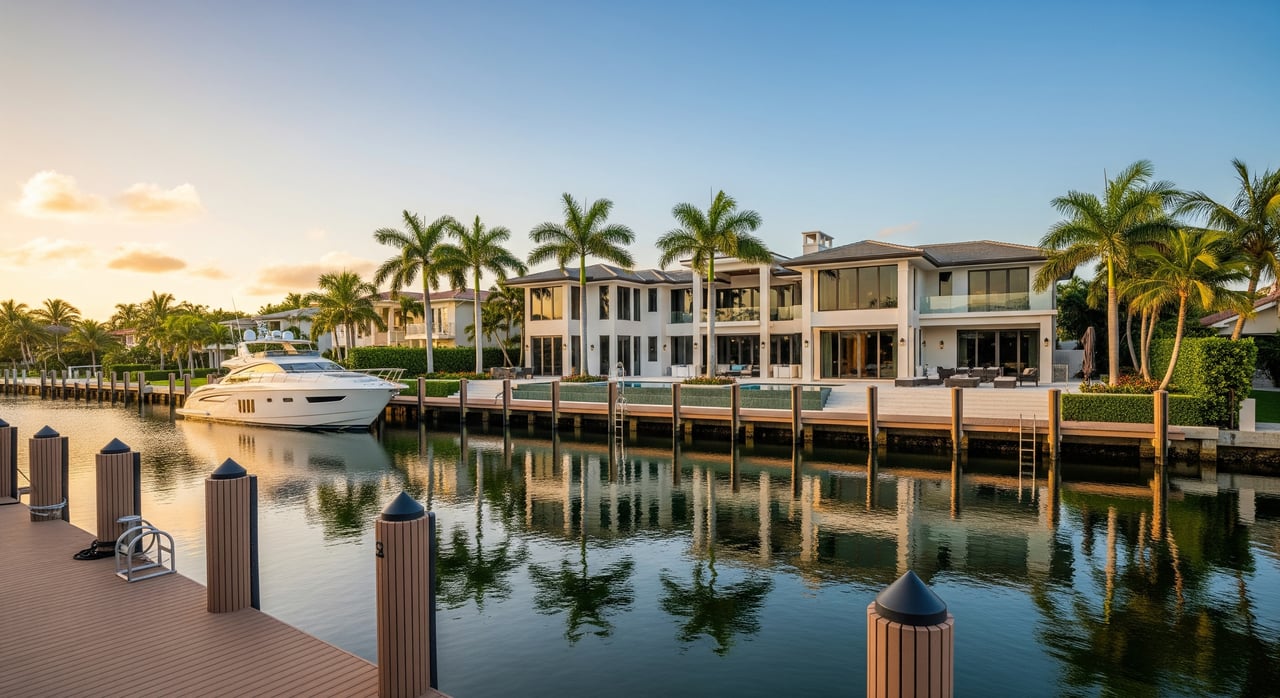
These include oceanfront, Intracoastal and canal properties. Buyers often look for dock length, canal depth and quick access to open water. Inventory is usually tight in premier locations, and lot depth, seawall condition and renovations can make a big difference in value.
Key considerations:
- Marine inspections, seawall integrity and elevation
- Dock permits and canal draft restrictions
- Windstorm and flood insurance costs
- Ongoing maintenance, and HOA rules if in a gated waterfront community
Neighborhood examples: Las Olas Isles, Harbor Beach, Rio Vista, Coral Ridge.
Downtown and Las Olas condos
High-rise and mid-rise condos near Las Olas and the urban core attract professionals, downsizers, seasonal residents and investors. Newer luxury towers compete with older buildings that may have lower asking prices but higher assessments.
Key considerations:
- Association financials, reserves and any litigation
- Building safety, structural inspections and special assessments
- Rental rules and short-term rental restrictions by building and zone
- Amenities, services and proximity to dining, beaches and transit
Areas to watch: Downtown Fort Lauderdale, Central Beach, Flagler Village.
Suburban single-family homes
These homes appeal to full-time residents who want yard space, garages and convenient commutes. Supply tends to be larger than on the water, and pricing varies by neighborhood features and access.
Key considerations:
- Neighborhood characteristics and commute routes
- Impact windows, roof condition and storm-readiness
- Typical inspection items for single-family homes
- School district boundaries and local services
Examples in and around Fort Lauderdale: Victoria Park and adjacent Broward suburbs such as Hollywood, Pompano Beach, Plantation and Weston.
Townhouses and non-waterfront condos
These options often serve entry-to-mid-market buyers, downsizers and investors who want lower maintenance. Turnover is typically higher than waterfront homes, and pricing is sensitive to HOA fees and rules.
Key considerations:
- HOA finances, reserves and any planned projects
- Parking, storage and pet policies
- Rental rules and minimum lease terms
- Proximity to everyday amenities and transit
Short-term rental and investment units
Investors and second-home owners target buildings or areas that allow seasonal rentals. Inventory can be limited by city regulations or building bylaws, and returns vary by location and time of year.
Key considerations:
- City zoning and licensing requirements
- Building-level rules, even if city code allows rentals
- Seasonality of demand and realistic income assumptions
- Professional management, cleaning and insurance needs
Seasonality and timing
South Florida’s calendar has a real impact on activity. Understanding the cycle can help you time listing and offer strategies.
What to expect by season
- Late fall through early spring is “snowbird” season, when more seasonal buyers visit and listings often rise. Showings and contract activity typically increase, and days on market often shorten.
- Summer can slow across segments, though value-driven buyers and investors may become more active. You may see more room for negotiation on certain properties.
- Closings tend to peak 30 to 90 days after listing surges. Keep an eye on pending sales to gauge near-term momentum.
Timing tips for buyers
- In winter, expect more competition for desirable waterfront homes and high-amenity condos. Have pre-approval and insurance quotes ready.
- In summer, look for price flexibility or seller concessions in segments with higher supply. Be patient on premium listings and track days on market.
Timing tips for sellers
- Listing just before or at the start of high season can maximize exposure to out-of-state and international buyers.
- Competition also rises in season, so price strategy, presentation and marketing quality matter. Prepare early to capture the first wave of motivated buyers.
Understanding luxury tiers
Luxury in Fort Lauderdale is best defined by the top 5 to 10 percent of local sales rather than a fixed price point. This includes oceanfront and Intracoastal estates, penthouse condos along Las Olas or downtown, and high-amenity gated residences.
What to expect at the high end:
- Marketing periods are longer on average, with fewer buyers at each price band
- Activity responds to interest rates, currency shifts and tax policy
- Inventory can change quickly when a large estate lists or a new tower delivers
- Negotiations may include concessions if supply builds at a given tier
Details that drive luxury value:
- For condos: service levels, structural condition, reserve strength and any flood mitigation or retrofits that could lead to assessments
- For waterfront: dock length, canal depth, bridge clearances and access rules
- For all: privacy and security features, and proximity to upscale dining and shopping
- Holding costs: insurance, taxes, assessments and maintenance can be material and should be modeled in advance
How to read the stats that matter
Market data can look noisy until you focus on a few core metrics by segment and neighborhood.
- Median vs. average sale price: Median reduces distortions from a few very high sales. Use it for trend reading. Use averages when you want to reflect top-end activity.
- New listings and active inventory: New listings show what is coming to market, while active inventory shows what you can buy today. Track both by product type.
- Pending and closed sales: Pending contracts are a near-term demand signal. A drop in pendings often leads to fewer closings 30 to 60 days later.
- Months of inventory: Active listings divided by monthly sales. Lower months of inventory suggests a seller’s market. Higher suggests a buyer’s market. Compare by segment.
- Days on market and list-to-sale ratio: These show speed and negotiation gaps. Read them together to gauge leverage.
- Price per square foot: Compare like to like. Use it within condos or within single-family homes, not across product types.
Interpreting mixed signals
- Rising median price with rising inventory may mean higher-priced homes are hitting the market while demand softens elsewhere. Check the median by segment.
- Falling days on market with fewer pending sales can occur when inventory is very low but buyer activity is also cooling. Cross-check pendings and showings.
- One big waterfront sale can skew averages. Look at medians and the number of closings before drawing conclusions.
Avoid common pitfalls
- Do not compare a canal-front home to a non-waterfront home on price per square foot.
- Do not assume a building allows short-term rentals because the neighborhood does. Verify both city rules and building bylaws.
- Do not ignore flood zones, seawalls and elevation. These factors affect financing, insurance and long-term costs.
Local risks and due diligence
Fort Lauderdale buyers and sellers should build risk checks into every plan. A few items deserve extra attention.
- Flood, storm surge and seawalls: Confirm flood zones and ask about seawall condition and elevation. These influence insurance costs and mortgage terms.
- Insurance market: Windstorm and flood premiums can change. Get quotes early and compare deductibles and coverage.
- Condo building health: Review reserve studies, structural reports, past assessments and litigation. Post-2021 building safety rules make this essential.
- Short-term rental rules: Check both city zoning and the building’s governing documents. Many condos restrict or ban short stays even if the city allows them.
Quick due diligence checklist:
- Pull neighborhood-level MLS comps for your exact property type
- Verify flood zone and elevation
- Obtain preliminary insurance quotes for wind and flood
- Review HOA or condo financials, reserves and rental rules
- Confirm permitting, dock and draft considerations for waterfront homes
A simple action plan
Whether you are buying or selling, a focused plan helps you move from research to results.
For buyers:
- Pick 2 to 3 target neighborhoods that match your lifestyle, such as waterfront boating, walkable urban condo or low-maintenance townhome
- Run the last 6 to 12 months of medians, days on market and months of inventory for those areas
- Get pre-approval and insurance quotes so you can act quickly in season
- If investing, build a conservative rent and expense model that reflects seasonal demand and building rules
For sellers:
- Pull the last 6 months of comps in your micro-neighborhood with near-matching features
- If you own a condo, review the association’s reserves, planned projects and rules so you can answer buyer questions with confidence
- Time staging and photography to be live before peak seasonal traffic, and use professional marketing to stand out among high-season competition
- Decide on pricing and adjustments based on months of inventory and recent pending activity, not just last year’s sales
When to call a local advisor
You deserve clear, calm guidance tailored to your segment and street. A trusted local team can pull hyperlocal MLS data, navigate flood and insurance questions, compare condo buildings, and market your home with the reach today’s buyers expect. If you want concierge-level service backed by a global network, connect with The Paiz Group for a private consultation and a data-backed plan.
Ready to take the next step? Reach out to The Paiz Group for tailored guidance and a market plan that fits your goals.
FAQs
Is Fort Lauderdale a buyer’s or seller’s market right now?
- It depends on the segment and neighborhood, so check months of inventory and recent pending sales for your specific property type before deciding strategy.
What is the best time to list a home in Fort Lauderdale?
- Listing before or at the start of high season in fall and winter increases exposure, but competition rises too, so price and presentation remain critical.
How much should I budget for insurance and maintenance?
- Waterfront homes and some condos can carry higher wind and flood insurance and potential special assessments, so get quotes and association details early.
Can I use a Fort Lauderdale condo for short-term rentals?
- Rules vary by city zoning and by each building’s bylaws, and many condos restrict short stays even if the city permits them, so verify both before you buy.
How do I compare condo buildings in the downtown and beach areas?
- Review reserve funds, historical assessments, structural reports, litigation status, rental rules, amenities and per-unit HOA costs to compare apples to apples.
What factors most affect waterfront home values?
- Dock length, canal depth and bridge clearance, seawall condition, elevation, renovation quality and proximity to open water all influence value and liquidity.